Most disappointing salon visits were lost in the first five minutes, before any scissors came out. The client pictured one thing, the stylist heard another, and both discovered the gap at the rinse bowl. The consultation exists to close that gap, and at a good salon it is not a formality. It is a short, specific conversation about your hair's history, your daily reality, and what is actually achievable today. Knowing what it should cover lets you get the full value out of it, especially at a salon you have never visited before.
History first, inspiration second
A careful stylist asks about history before looking at your goal photo, and the order matters. What is already in your hair, box dye from last winter, a keratin treatment, a perm somewhere in its past, decides what today's service can safely do. Hair remembers chemistry the way a medical chart remembers procedures, and stylists ask for the same reason doctors do. Leave nothing out because it seems minor or because the last salon visit went badly. There is no judgment in this part; it is load-bearing information.
Then come the photos. Bring two or three, and understand what a stylist sees in them: not a promise, but a direction. The same blonde sits differently on different starting colors, skin tones, and budgets. A good consultation translates the photo into your version of it and says plainly where your hair can get today and what it would take to get the rest of the way.
- Your full color and chemical history for the past one to two years, including box dye
- Photos of what you want, plus one of your own hair on a day you liked it
- An honest number for how many minutes you style your hair on a workday
- Your work or school rules on hair, if any apply
- Known sensitivities or allergies to hair products
- The result you are afraid of, said out loud, not just the result you want
- How often you can realistically come back for maintenance
The lifestyle questions are not small talk
When a stylist asks how you style your hair in the morning, how often you wash it, and whether you use heat, those answers are design inputs. A precision cut that needs daily blow-drying is the wrong cut for someone with ten minutes and a ponytail habit. Color that needs a salon visit every four weeks is the wrong plan for someone who can come twice a year, and a good stylist will steer toward the lower-maintenance version without being asked. This is also the moment to mention work dress codes, sports and swimming habits, and the Fort Mill summer problem, meaning any style has to survive Carolina humidity on your actual schedule.
Say the maintenance number out loud. Stylists consistently rate it the most useful thing a new client can tell them, because it sets the whole design: root shadow instead of a hard line, layers that grow out softly, color placed where it lasts.
What a good stylist does with all of it
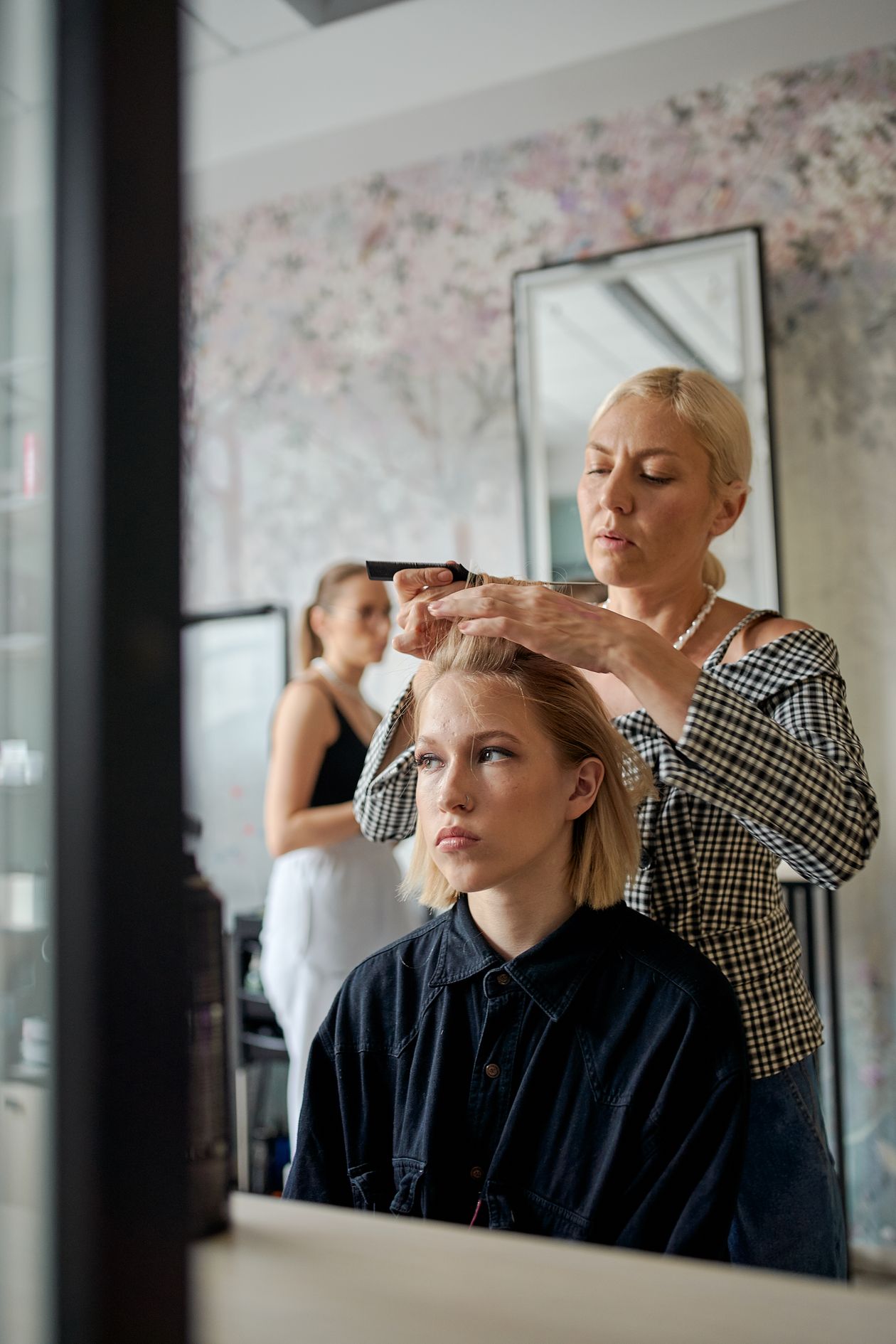
Watch for three behaviors. The stylist touches and looks at your hair dry, before the wash, to see its real texture and how your current cut falls. The stylist states a plan in plain language, including what will not happen today and why. And the stylist gives you the upkeep in numbers: weeks between visits, minutes of styling, products that are genuinely needed versus nice to have. Vague enthusiasm with no specifics is the warning sign, in salons as everywhere else. At Papillon Hair Design, where the team's pitch is ongoing training and keeping current with techniques, the consultation is where that shows up first, in how precisely options get matched to your hair's condition.
If the plan and the photo disagree
Sometimes the honest answer is that your goal needs two visits, or a correction first, or a different cut for your texture. Hearing that is the consultation working, not failing. The salons that get people into trouble are the ones that say yes to everything and let the chemistry arbitrate. Ask what the staged version looks like and what today's visit achieves on its own. If the staged plan sounds reasonable and the stylist can show you the in-between result will still look good, you have found a professional. If you feel rushed past your questions, that is information too, and it is free, which makes it the cheapest lesson a salon will ever give you.
Common questions
What should I bring to a first salon appointment?
Photos of what you want, one photo of your own hair on a good day, and your honest color history for the past year or two. If you use specific products at home that your hair loves or hates, those names help too.
Is it rude to tell a stylist what I do not want?
Not at all; it is some of the most useful information in the consultation. Naming the outcome you are afraid of, too short, too blonde, too much daily styling, lets the stylist design away from it instead of guessing.
How long should a consultation take?
Five to fifteen minutes for most cuts and colors, longer for corrections, extensions, or big changes. If a major service starts with no questions at all about your hair's history or routine, ask for the conversation before the service.
Photos in this guide are representative stock images.
← All guides from Papillon Hair Design← Back to Papillon Hair Design